THE BARS
Widths that spell digits
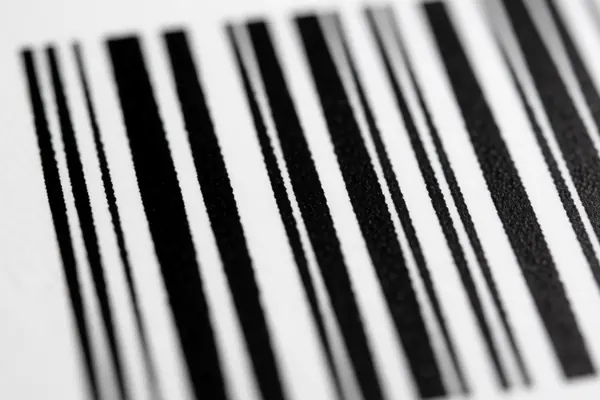
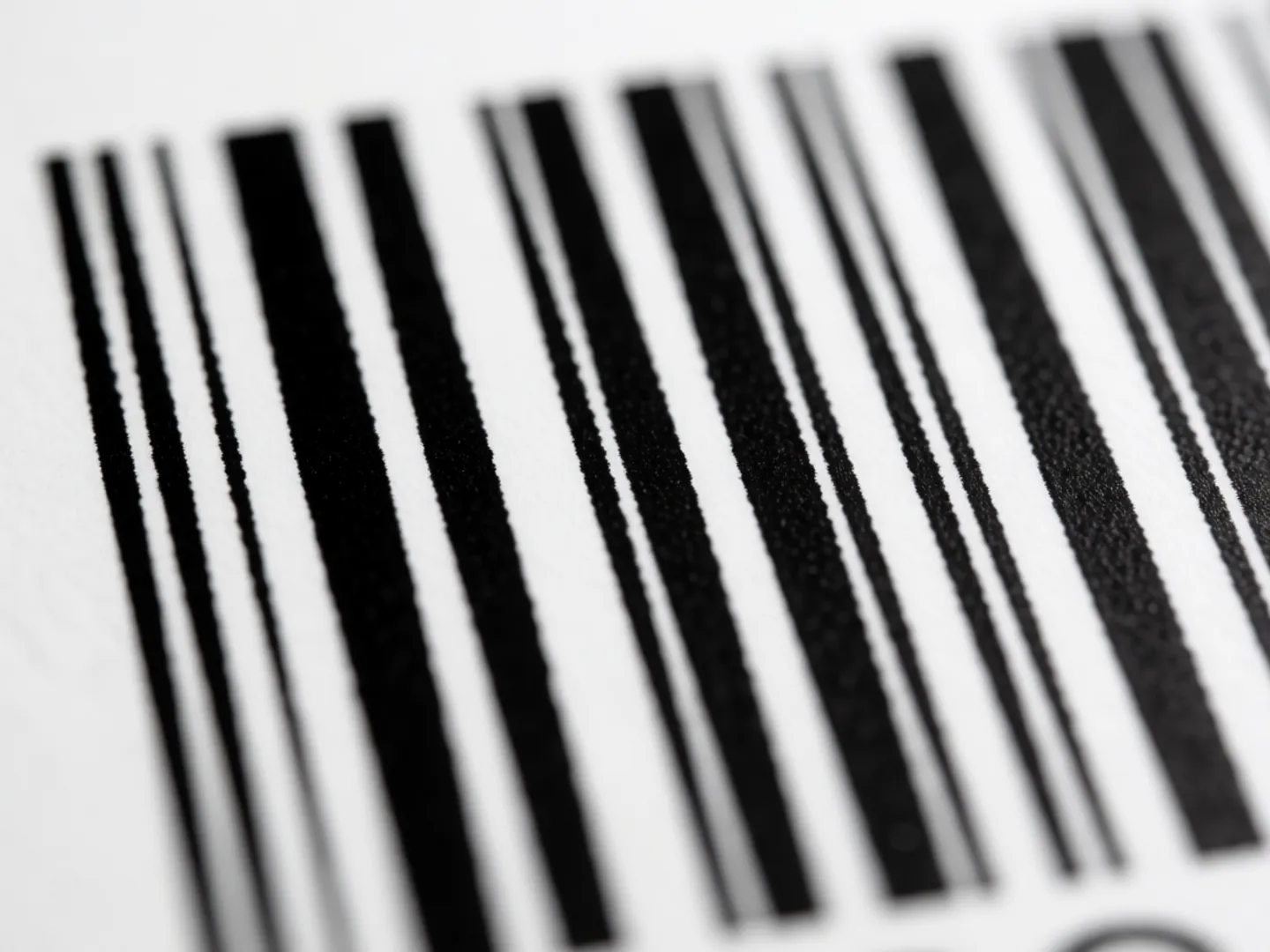
A linear barcode encodes the product's GTIN, its Global Trade Item Number, using a series of lines and spaces of different widths.
Check a number doodlescans
HOW BARCODES WORK
A barcode is a number, written in bars.
Check a number
13 DIGITSone is a check
The stripes on a packet spell out a product number, the GTIN, in lines and spaces of different widths. A scan links the physical product to its digital record. The last digit is a check calculated from the others.
At a glance
1 billion+
Products carrying GS1 barcodes
GS1 says over a billion products now carry its barcodes, scanned billions of times every day around the world.
PRODUCTS · GS1
116
Local GS1 member organisations
The system is run through 116 local GS1 member organisations. Company prefixes 500 to 509 are managed by GS1 UK.
ORGANISATIONS · GS1
TWO NUMBERS WORTH KNOWING
Figures from GS1 for the barcode's
50th anniversary in 2024.
GS1 is now moving towards 2D codes, including QR codes using its Digital Link standard, which can hold more data than a linear barcode while appearing smaller.
CHECK A NUMBER
GS1's own worked example for a 13-digit GTIN. Pick a step to follow it. The bar shows how far through the calculation you are.
Worked example from GS1, How to calculate a check digit manually.
THE SHORT ANSWER
Linear barcodes use variable-width
lines and spaces to encode data.
THE BARS
A linear barcode encodes the product's GTIN, its Global Trade Item Number, using a series of lines and spaces of different widths.
Check a numberTHE SCAN
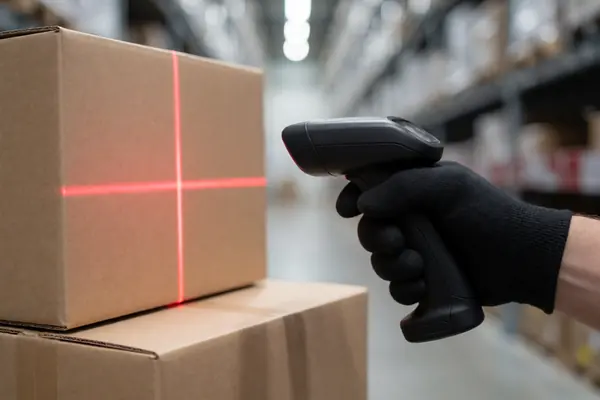
Barcodes are read by laser or image-based scanners. GS1, which runs the system, recommends scanners with imaging capability.
See the numbersTHE FIRST BEEP
A pack of chewing gum at a supermarket in Ohio became the first product ever scanned with a barcode at a checkout.
How it began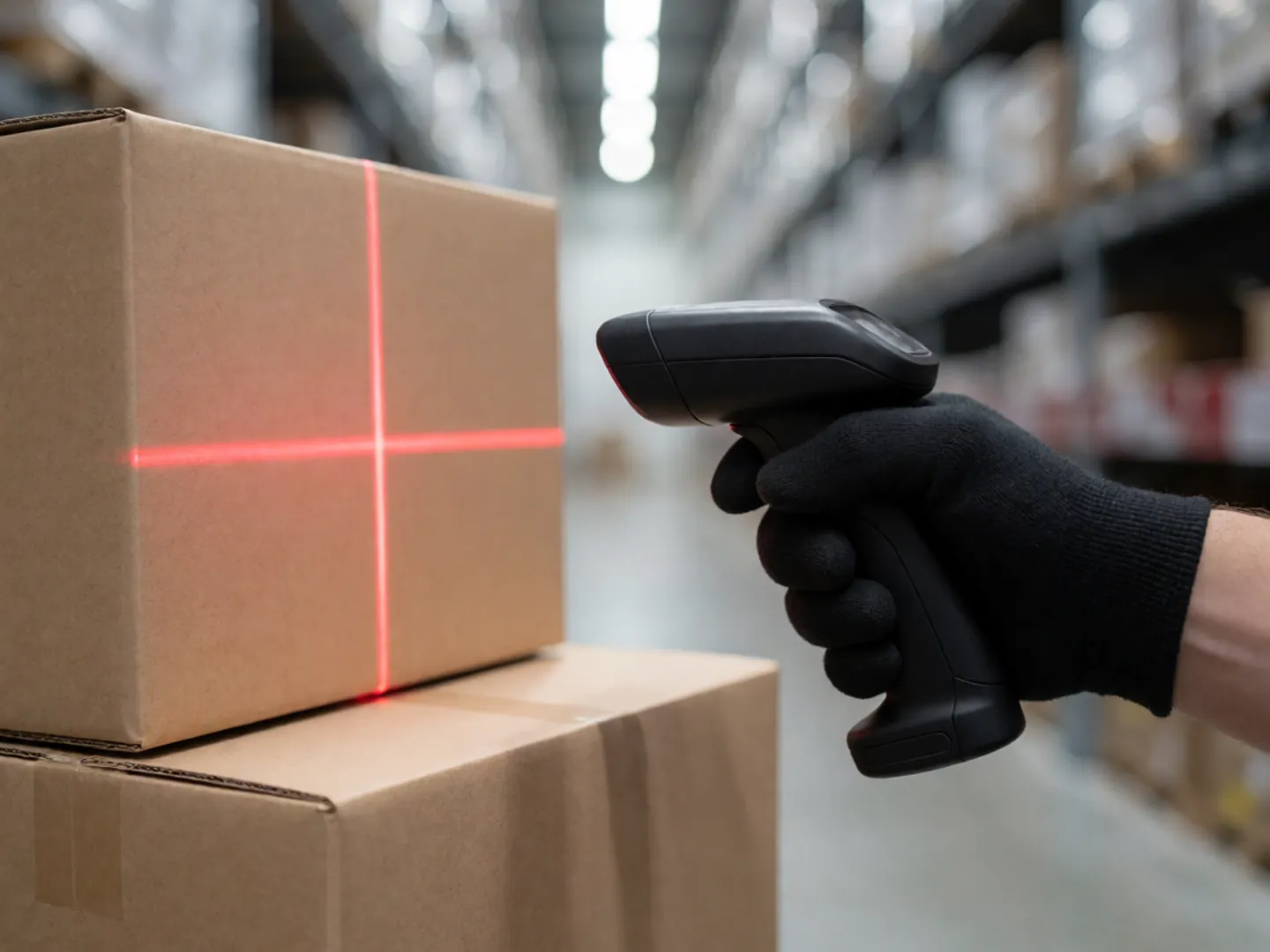
A SHORT HISTORY
The barcode on almost every packet started as an agreement in the US grocery trade.
Leaders in the US retail grocery sector agree the barcode, the Universal Product Code.
The US-based Uniform Code Council is appointed to run the new Universal Product Code.
A pack of chewing gum is scanned at a supermarket in Ohio, the first product in the world scanned with a barcode.
GS1 marks the anniversary in 2024 and promotes next-generation 2D barcodes, including QR codes.
WHY A CHECK DIGIT
The final digit is calculated from all the others using a fixed rule. That means a number with a wrong digit will usually no longer add up, which is what a check digit is for.
GS1 publishes the same multiply-by-three-and-one method for its 8, 12, 13, 14, 17 and 18-digit keys, so one simple rule protects product numbers and shipping labels alike.
Questions
An identification number. Linear barcodes on consumer goods encode the GTIN for product identification, and a scan connects the physical product to its digital information.
Multiply each digit by 1 or 3 in turn, add the results, then subtract the total from the next equal or higher multiple of ten. In GS1's example the sum is 57, so the check digit is 3.
In the GS1 Company Prefix list, prefixes 500 to 509 are managed by GS1 UK.
On 26 June 1974, at a supermarket in Ohio, USA, when a pack of chewing gum was scanned at the checkout.
A linear barcode uses lines and spaces. 2D codes such as QR codes use patterns of squares, dots or other shapes, so they can hold more data in less space.
Sources
ABOUT THIS NAME
doodlescans.com is part of the DoodleSale portfolio. It isn't in an auction right now, but you can ask about leasing it.